
Time has shared seven good news stories that many have likely missed while trying to keep up with all of the doom and gloom of 2025.
The Antarctic Ozone hole shrinks.

The ozone hole over Antarctica has shrunk to its fifth-smallest size in more than three decades, according to NASA and the NOAA. The reduction was made possible by regulations on ozone-depleting materials, as well as a weaker polar vortex.
“Since peaking around the year 2000, levels of ozone-depleting substances in the Antarctic stratosphere have declined by about a third relative to pre-ozone-hole levels,” said Stephen Montzka, senior scientist with NOAA’s Global Monitoring Laboratory.
An HIV Cure is closer.

Scientists have discovered a way to force the virus—which has the ability to conceal itself in white blood cells—out of hiding, according to a June scientific publication. Researchers used mRNA technologies to encase HIV in a “fat bubble” that instructs cells to show the presence of the virus. A cure could help the 40.8 million people living with the disease.
“In terms of specifically the field of HIV cure, we have never seen anything close to as good as what we are seeing, in terms of how well we are able to reveal this virus,” said research fellow Dr. Paula Cevaal.
ICJ delivers landmark climate decision.
The International Court of Justice (ICJ), judicial body of the United Nations, declared that countries have an obligation to provide a “clean, healthy, and sustainable environment” under international human rights law.
A July ruling, which characterized climate change as an “urgent and existential threat,” established that countries have a legal responsibility to address climate change.
Green Sea Turtles are no longer endangered.

More than four decades after the species was first designated as endangered, the largest hard-shelled sea turtle has been moved to a “least concern” conservation status, meaning that it is “pervasive and abundant,” with a nearly 30% increase in population since the 70s.
“Conservation efforts have focused on protecting nesting females and their eggs on beaches, expanding community-based initiatives to reduce unsustainable harvest of turtles and their eggs for human consumption, curtailing trade, and using Turtle Excluder Devices and other measures to reduce the accidental capture of turtles in fishing gear,” the International Union for Conservation of Nature (IUCN) said in October.
Researcher discovers medicines that save babies with rare brain cancer.
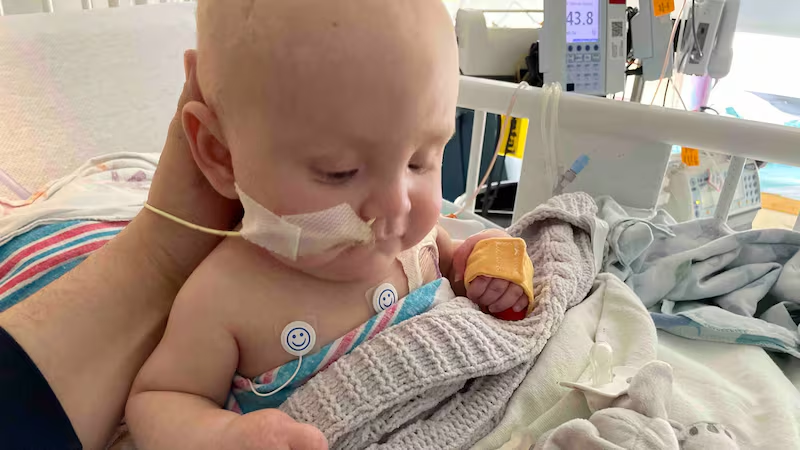
Dr. Matt Clarke, working with an institute in London, found that existing medicines could help treat high-grade gliomas—a type of tumor found in the brain or spinal cord that can quickly spread—for children under a year old. These types of tumors would have had a likely terminal prognosis.
The breakthrough means that doctors no longer have to rely on chemotherapy or radiotherapy, which can be especially harmful for young children, to treat that specific type of cancer.
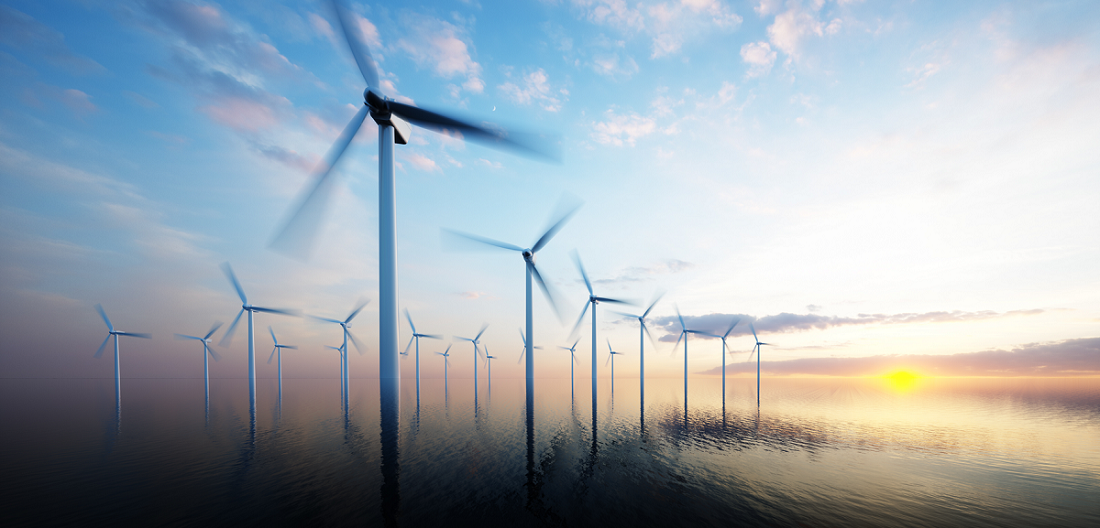
Renewable energy will grow faster than fossil fuels.
A report by the International Energy Agency (IEA) found that renewables will grow at a faster rate than other energy sources over the next decade, making the transition to this form of energy “inevitable.”
A think tank study found that renewable energy contributed 34.3% of global electricity generation in the first half of 2025, while coal accounted for 33.1%. It marked the first time renewable energy has outperformed coal.
This growth is happening despite U.S. policies.
Cultural treasury opens in Egypt.
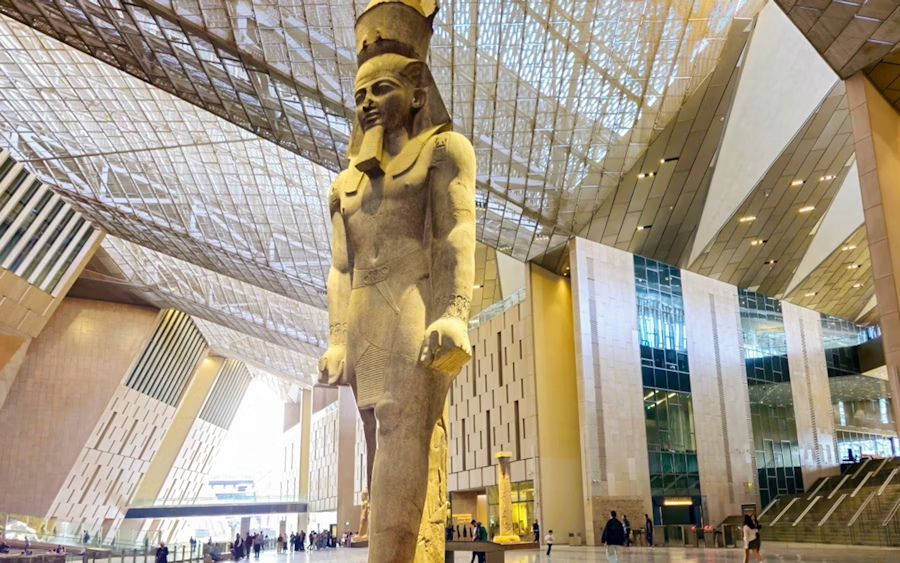
Boasting more than 100,000 artifacts, including the tomb of King Tutankhamun, the Grand Egyptian Museum (GEM) officially opened to the public this November.
The 117-acre cultural treasury is about one mile from the pyramids of Giza, and is home to thousands of years of history ranging from ancient Egyptian civilization to the end of the Greco-Roman period.
The museum contains the complete contents of King Tut’s tomb, the first time the complete collection has been on display. Egypt is hopeful the museum will boost its tourism.