
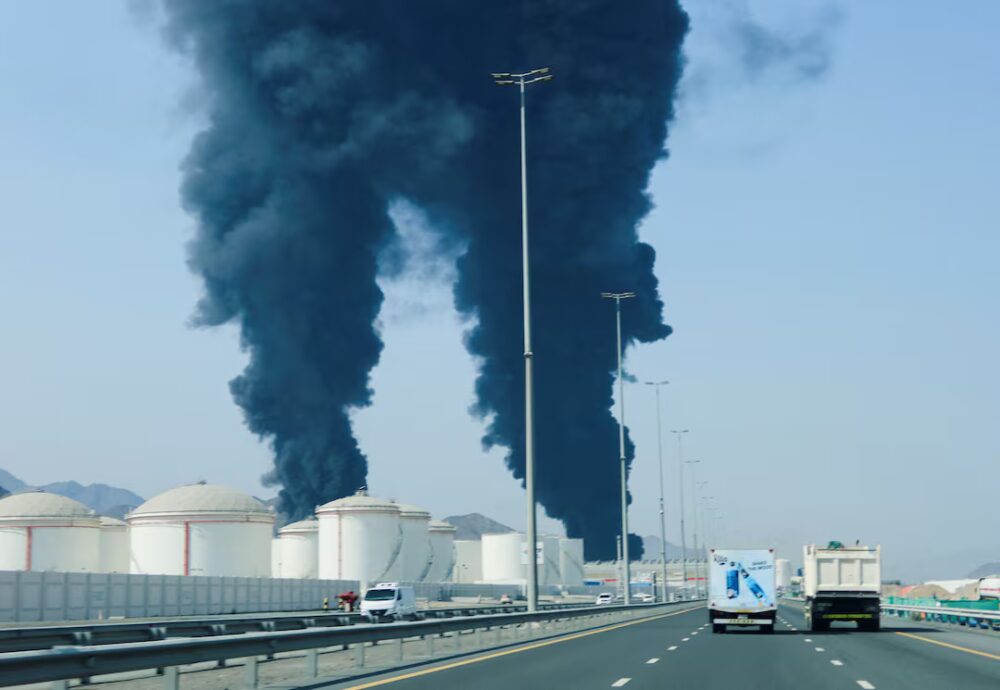
Reuters is reporting that the Gulf Arab states, although they were not initially in favor of the U.S. going to war with Iran, are now pressuring the U.S. to finish the job, neutralizing their ability to threaten the Gulf’s oil lifeline and the economies that depend on it, according to three sources talking to Reuters.
“There is a wide feeling across the Gulf that Iran has crossed every red line with every Gulf country,” said Abdulaziz Sager, chairman of the Saudi-based Gulf Research Center. “At first we defended them and opposed the war,” he said. “But once they began directing strikes at us, they became an enemy. There is no other way to classify them.”
The attacks have reinforced Gulf states’ fears that leaving Iran with any significant offensive weaponry or arms manufacturing capacity could embolden it to hold the region’s energy lifeline hostage whenever tensions rise.
Now in its third week, the conflict has seen intense strikes by Israel and the U.S., but also attacks on U.S. military bases and civilian targets in the Gulf states. Another Gulf source said the prevailing mood was Trump to comprehensively dismantle Iran’s military capacity or else live under constant threat. They fear if the U.S. pulls out prematurely, that they will be left to confront Iran’s threats alone, according to Sager.
While the U.S. is urging the Gulf states to join their efforts, the concensus among them is uncommitted. Unilateral military action by any Gulf state remained off the table because only collective intervention would avoid exposing individual countries to retaliation.